In the exciting world of entrepreneurship, time management and productivity are indispensable tools that help you turn your dreams into reality. Imagine having a secret weapon that lets you tackle multiple tasks like a superhero, work smarter, not harder, and still have time for fun and adventure. That’s what effective time management and productivity can do for you.
Time management and productivity are important because they can help you achieve your goals more efficiently and effectively. When you manage your time well, you can do more in less time, freeing up time for other activities and reducing stress. Productivity is the ability to get things done, which can be improved by learning and applying time management strategies.
To help you master these skills, there are amazing time management and productivity books like “Eat That Frog!” by Brian Tracy and “Deep Work” by Cal Newport. These books are like your personal guides, teaching you tricks and strategies to manage your time like a pro and boost your productivity to the moon.
So, if you’re an aspiring entrepreneur, don’t underestimate the power of time management and productivity.
Best Time Management and Productivity Books
This table provides an overview of the best time management and productivity books. Please refer to the comprehensive article below for in-depth information about each of the top time management and productivity books.
1: The 7 Habits of Highly Effective People by Stephen R. Covey
Overview of the book: The 7 Habits of Highly Effective People is a classic book on personal development and self-improvement. Covey identifies seven habits that successful people have in common, and he provides advice on how to develop these habits in your own life.
- Habit 1: Be proactive. This means taking responsibility for your own life and choices and not blaming others for your circumstances.
- Habit 2: Begin with the end in mind. This means having a clear vision of what you want to achieve in life and using that vision to guide your decisions and actions.
- Habit 3: Put first things first. This means prioritizing your tasks and focusing on the most important things first.
- Habit 4: Think win-win. This means seeking mutually beneficial solutions in all of your interactions with others.
- Habit 5: Seek first to understand, then to be understood. This means listening to others with the intent to understand their perspective before sharing your own.
- Habit 6: Synergize. This means working together with others to achieve more than you could on your own.
- Habit 7: Sharpen the saw. This means taking care of yourself both physically and mentally so that you can be your best self.
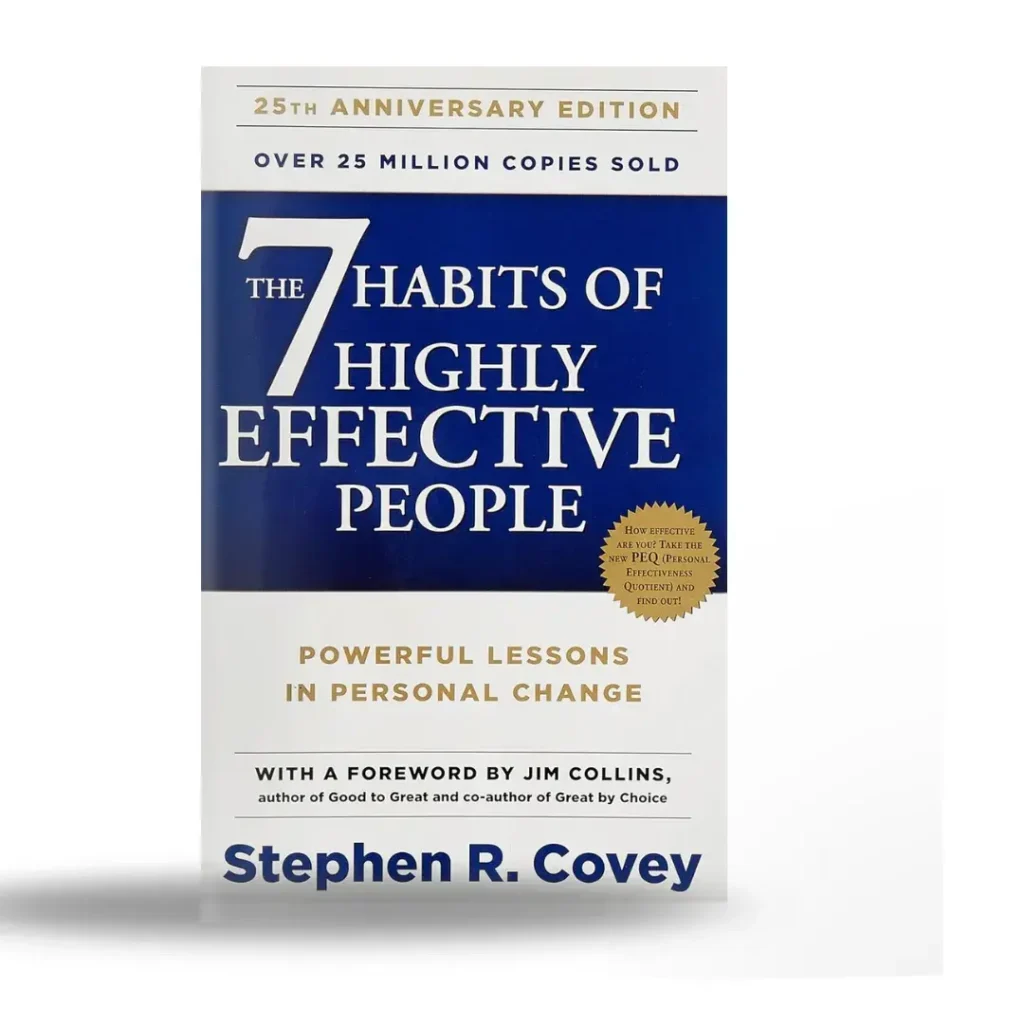
The 7 Habits of Highly Effective People can be applied to time management and productivity in many ways. For example, Habit 2 (Begin with the end in mind) can help you to set clear goals and priorities for your time. Habit 3 (Put first things first) can help you to focus on the most important tasks and avoid distractions. Habit 4 (Think win-win) can help you build relationships with others, which can make it easier to get help and support when you need it.
If you’re venturing into time management and productivity, start with Stephen Covey’s “The 7 Habits of Highly Effective People.” For solopreneurs, explore Kolleqtive’s “The Solopreneur Life,” a comprehensive guide tailored to optimize time and productivity for one-person businesses. Check out “The Solopreneur Life” by Kolleqtive, a versatile resource for enhancing your efficiency.
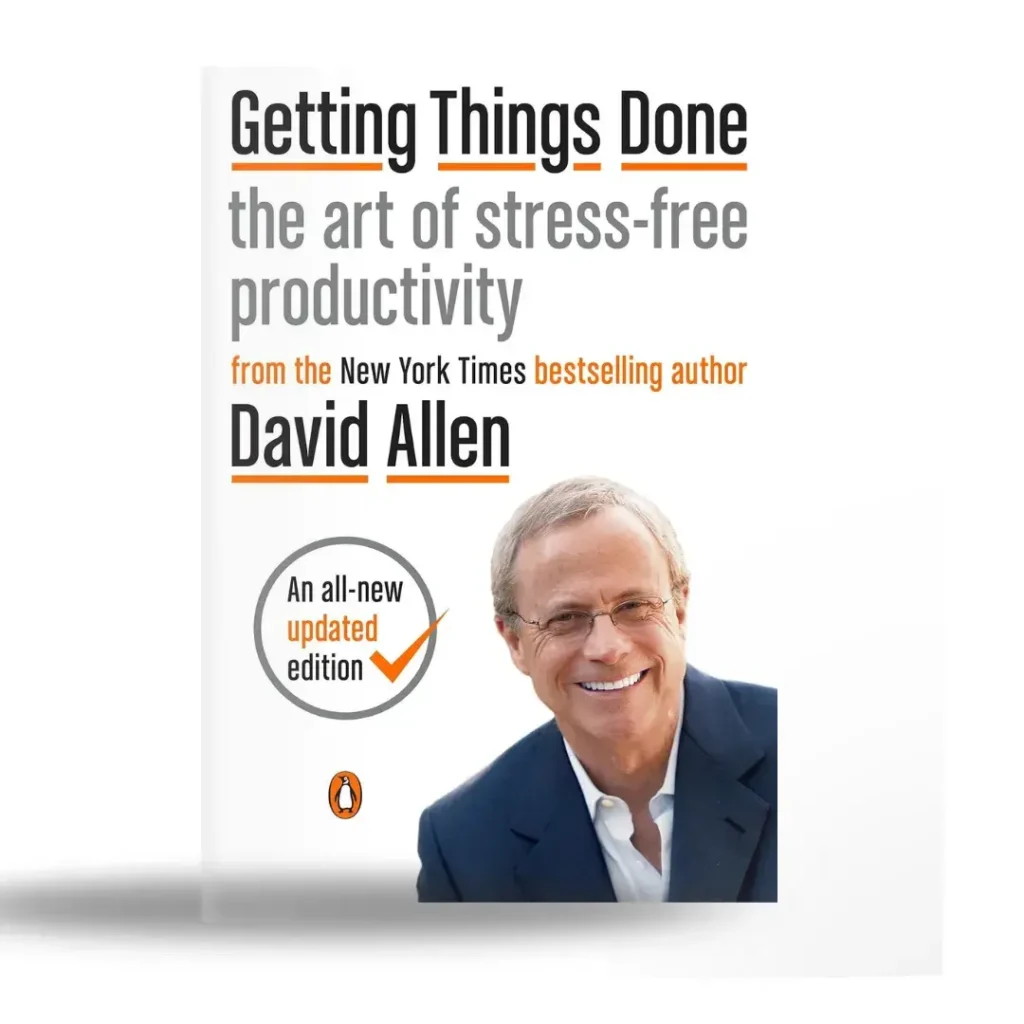
2: Getting Things Done: The Art of Stress-Free Productivity by David Allen
Overview of the book: Getting Things Done (GTD) is a popular time management system that was developed by David Allen. The GTD system is designed to help you to capture all of your tasks and commitments and then process them and organize them in a way that allows you to get them done efficiently and effectively.
Key takeaways:
- The GTD system is based on the following five steps:
- Capture: Capture all of your tasks and commitments, no matter how small or large.
- Clarify: Once you have captured an item, decide what it is and what needs to be done to complete it. If the item is a task, break it down into smaller, actionable steps.
- Organize: Decide where each action item belongs. This may involve putting it on a to-do list, calendar, or reference file.
- Review: Review your to-do lists and calendar regularly to ensure that you are on track and prioritizing your tasks effectively.
- Do: Take action on the next action items.
How to use the GTD system to manage your time and tasks
To use the GTD system to manage your time and tasks, you must create a system for capturing, clarifying, organizing, reviewing, and doing your tasks. This system can be as simple or as complex as you need it to be.
Here is a basic GTD system
- Capture all of your tasks and commitments in a single inbox. This could be a physical inbox, a digital inbox, or both.
- Once a day, process your inbox. For each item in your inbox, decide what it is and what needs to be done to complete it. If the item is a task, break it down into smaller, actionable steps.
- Assign each action item to one of the following categories:
- Next actions: These are the next things that you need to do in order to move forward on your projects and goals.
- Projects: These are collections of related tasks that need to be completed in order to achieve a specific outcome.
- Waiting for: These are tasks that are waiting for input or action from someone else.
- Someday/maybe: These are tasks that you would like to do at some point in the future but that are not currently a priority.
- Review your next actions list and calendar regularly to make sure that you are on track and that you are prioritizing your tasks effectively.
- Take action on the next action items on your list.
The GTD system can be a powerful tool for managing your time and tasks effectively. However, it is important to note that it takes some time and effort to learn and implement the system effectively.
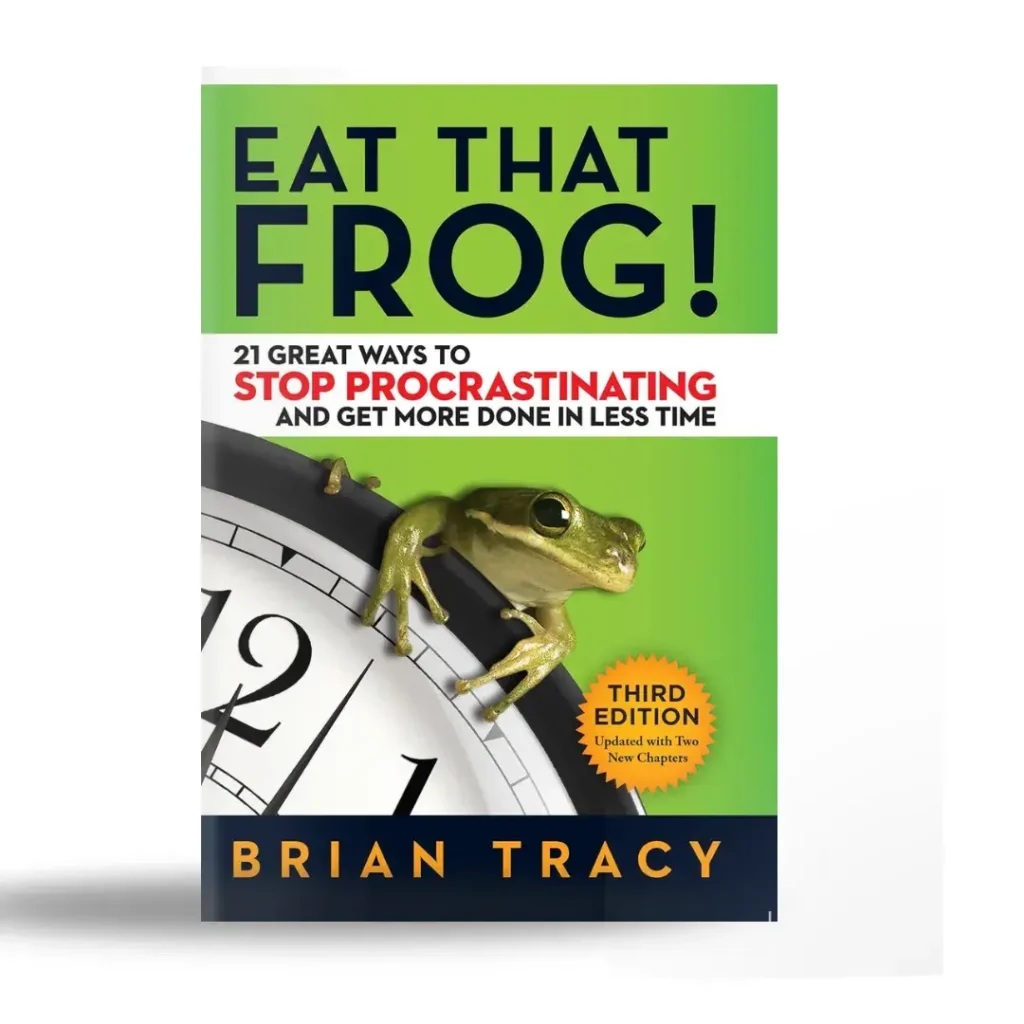
3: Eat That Frog!: 21 Great Ways to Stop Procrastinating and Get More Done in Less Time by Brian Tracy
Overview of the book: Eat That Frog! is a book about how to overcome procrastination and get more done in less time. Tracy argues that the best way to overcome procrastination is to start your day by doing your most important task, or “frog.”
Key takeaways:
- Eat your frog first thing in the morning. This means doing your most important task first, before you do anything else. This will help you to get a jump on your day and to make progress on your most important goals.
- Break down large tasks into smaller, more manageable tasks. This will make the tasks seem less daunting and more achievable.
- Set deadlines for yourself. This will help you to stay on track and to avoid procrastination.
- Reward yourself for completing tasks. This will help you to stay motivated and to make progress towards your goals.
How to overcome procrastination and get your most important tasks done first
To overcome procrastination and get your most important tasks done first, you need to develop a system for prioritizing your tasks and taking action on the most important tasks first.
Here are a few tips
- Start by making a list of all of your tasks and commitments.
- Prioritize your tasks based on their importance and urgency.
- Schedule your most important tasks for the times of day when you are most productive.
- Break down large tasks into smaller, more manageable tasks.
- Set deadlines for yourself.
- Reward yourself for completing tasks.
It is also important to create a work environment that is conducive to productivity. This means eliminating distractions and creating a comfortable and organized space to work in.
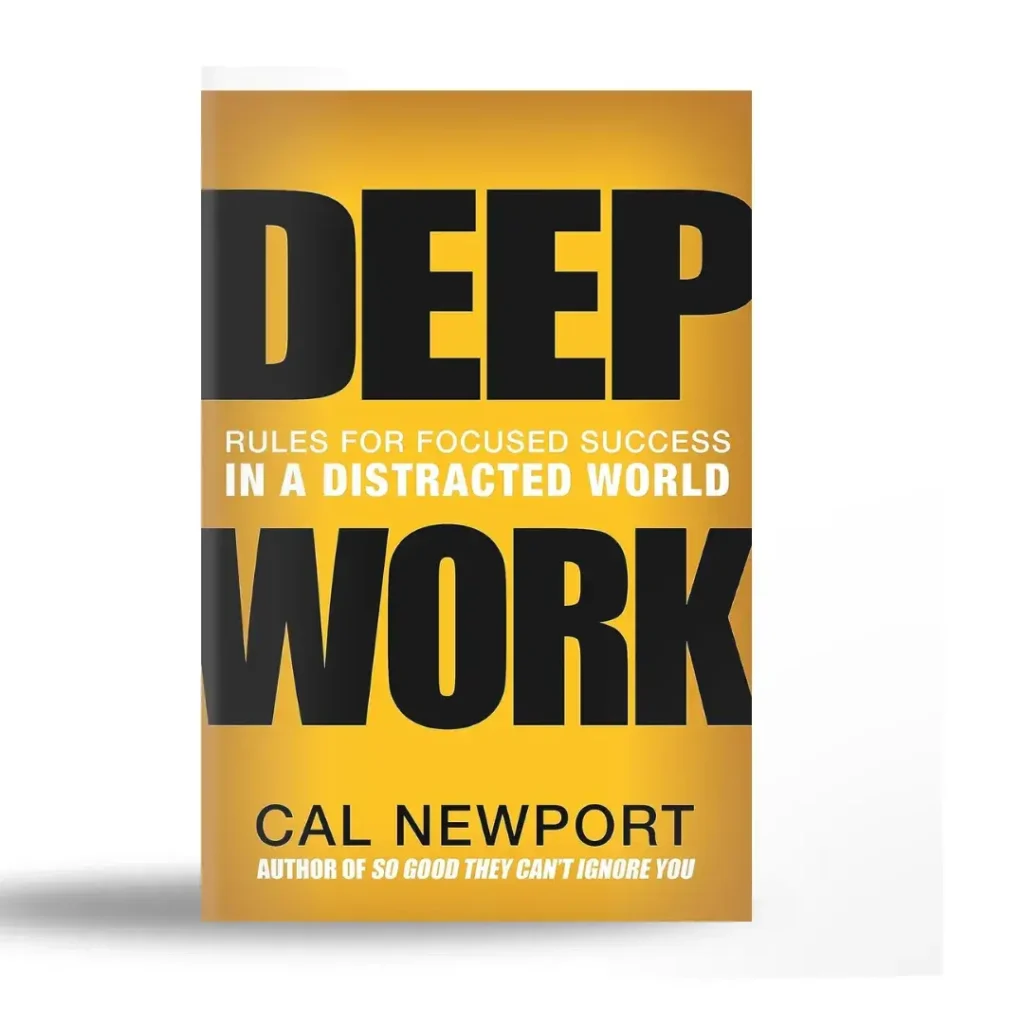
4: Deep Work: Rules for Focused Success in a Distracted World by Cal Newport
Overview of the book: Deep Work is a book about the importance of focused attention and the dangers of distraction. Newport argues that the ability to focus deeply on your work is essential for success in today’s world.
Key takeaways:
- Deep work is the ability to focus without distraction on a cognitively demanding task. It is the type of work that produces the most valuable output.
- Newport argues that the ability to focus deeply is becoming increasingly rare in today’s world, as we are constantly bombarded by distractions from email, social media, and other digital technologies.
- Newport provides a number of strategies for developing the ability to focus deeply, including:
- Scheduling time for deep work: Set aside specific times each day or week for deep work, and block out all distractions during these times.
- Eliminating distractions: This may involve turning off your phone, closing your email, and working in a quiet environment.
- Training your focus: Start by practicing deep work for short periods of time, and gradually increase the amount of time you spend in deep work.
How to develop the ability to focus deeply on your work and achieve more
To develop the ability to focus deeply on your work and achieve more, you need to create a system for scheduling and eliminating distractions.
Here are a few tips
- Schedule specific times each day or week for deep work.
- During these times, block out all distractions. This may involve turning off your phone, closing your email, and working in a quiet environment.
- Start by practicing deep work for short periods of time, and gradually increase the amount of time you spend in deep work.
- If you find yourself getting distracted, take a break and come back to the task later.
- Reward yourself for completing deep work sessions.
5: Essentialism: The Disciplined Pursuit of Less by Greg McKeown
Overview of the book: Essentialism is a book about the importance of focusing on what is truly important and eliminating distractions. McKeown argues that the key to success is to learn to say no to the good in order to pursue the great.
Key takeaways
- Essentialism is the disciplined pursuit of less. It is about focusing on the most important things and eliminating everything else.
- McKeown argues that most of us are overcommitted and that we are trying to do too many things at once. This leads to stress, burnout, and a lack of focus.
- McKeown provides a number of strategies for becoming more essentialist, including:
- Eliminating the nonessential: Identify the things that are not truly important to you and eliminate them from your life.
- Focusing on the vital few: Identify the few things that are truly important to you and focus your time and energy on those things.
- Learning to say no: Learn to say no to requests that are not aligned with your priorities.
How to focus on what is truly important and eliminate distractions
To focus on what is truly important and eliminate distractions, you need to learn to say no and to focus on the vital few.
Here are a few tips
- Identify the things that are truly important to you.
- Focus your time and energy on those things.
- Learn to say no to requests that are not aligned with your priorities.
- Eliminate distractions from your life.
- Reward yourself for staying focused on your priorities.
Time management and productivity are important skills for everyone to have. Learning and applying the strategies in the books discussed in this article can improve your time management skills and get more done in less time.
How to choose the right time management and productivity book for you
There are many different time management and productivity books available, so it can be difficult to know which one to choose. Here are a few tips:
- Consider your needs and goals: What areas of your life do you need to improve your time management and productivity? What are your specific goals? Once you know what you need and want to achieve, you can start to narrow down your choices.
- Read reviews: Before you buy a book, read reviews to see what other people have to say about it. This can help you get a sense of whether the book is right for you and whether it will be helpful.
- Ask for recommendations: If you know anyone who has read time management and productivity books, ask them for recommendations. They may be able to tell you which books they found to be most helpful.
If you are new to time management and productivity, I recommend starting with reading The 7 Habits