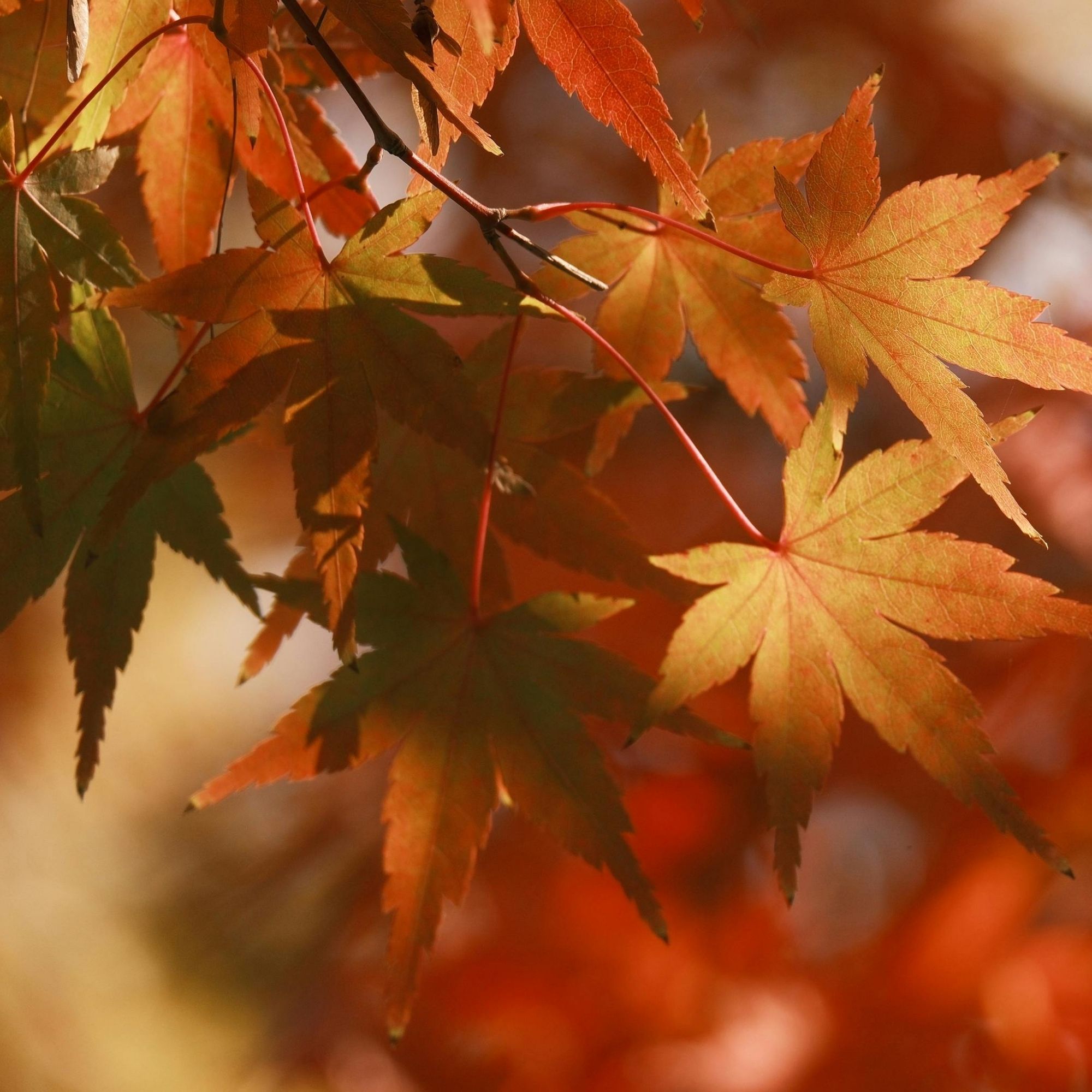
There is something about autumn that makes change impossible to ignore. The landscape gradually becomes different without asking permission. The evenings draw in, the air gets colder and the trees begin to lose their leaves. We don’t question it or wonder whether the trees are somehow falling behind. We understand that this is simply part of the year.
Yet we often struggle to give ourselves the same acceptance. Maybe you’re not behind — maybe you’re simply in a different season of your life.
We can spend an enormous amount of time wondering whether we should be further ahead in our lives. Perhaps we thought we would have a different career by now, or more money, a home, a relationship, children, a business, or simply a clearer idea of what we are doing. Then we look at people around us and it can seem as though everyone else received a timetable that we somehow missed.
Social media makes this particularly easy. We see the new jobs, weddings, holidays, renovations, businesses and achievements, often without seeing the years of uncertainty, disappointment or hard work that came before them. It becomes very easy to compare our complicated reality with somebody else’s carefully selected moments and decide that we are the ones who are getting it wrong.
But there isn’t actually a universal timetable for a life.
Some people know what they want when they are twenty. Others don’t discover it until they are forty, fifty or beyond. Some people build a career early and then realise they want something completely different. Some relationships last a lifetime and others teach us something before ending. Some people spend years building financial security, while others spend those same years dealing with circumstances they never expected.
None of these lives is necessarily ahead of the others. They are simply different.
That doesn’t mean we should never want things to change. Wanting more from your life is not the same as believing that your current life is a failure. You can be grateful for what you have and still want something different. You can be proud of how far you have come and still wish you had got there sooner. You can accept where you are without deciding that you have to stay there.
Perhaps that is one of the useful things about autumn. It gives us a different way of thinking about change.
The trees don’t try to keep their leaves because they are afraid that losing them means they have failed. They let go when the season changes. From the outside, it might look like something is disappearing, but it is actually part of a much larger cycle.
There are moments in our own lives when we have to do something similar. We might have to let go of an idea of who we thought we would become, a relationship that no longer works, a job that has stopped fitting, or an expectation we have been carrying around for years simply because we thought we were supposed to want it.
Letting go can feel like moving backwards, particularly when we have been taught to think of progress as constantly adding something new. But sometimes progress is about making space. It can mean recognising that something once mattered to you but no longer does, and having the courage to admit that your direction has changed.
And then there is winter.
Winter is perhaps the season we find hardest to appreciate because so much of what is happening is less visible. There are fewer obvious signs of growth. The landscape becomes quieter and, for a while, it can look as though very little is happening at all.
Our lives can have periods like that too.
There are times when the most important things we are doing aren’t particularly impressive from the outside. We might be recovering from something, learning to trust ourselves again, working out what we actually want, dealing with money, changing our priorities or simply trying to get through a difficult period. There may be no promotion, new house or exciting announcement to show for it.
That doesn’t make the time meaningless.
Some of the biggest changes in our lives happen long before anyone else can see them.
The problem is that we often judge ourselves according to visible progress. We think we should be able to point to something and say, Look what I’ve achieved. We don’t always recognise that becoming more confident, understanding ourselves better, recovering from disappointment or finally admitting that something isn’t right can be just as significant.
So if you find yourself looking around this autumn and wondering why everyone else seems to be moving forward while you are standing still, it might be worth questioning the idea that you are behind in the first place.
Behind what?
Whose timeline are you measuring yourself against?
And who decided that your life was supposed to look a certain way by a certain age?
You may not be where you thought you would be. That can be difficult, and there is no need to pretend otherwise. But being somewhere different doesn’t automatically mean you have failed.
You might simply be in a different season.
Perhaps this is a time for changing direction. Perhaps it is a time for letting something go. Perhaps it is a time for building something quietly that will make sense later. Or perhaps you are still figuring it out.
You don’t have to turn that uncertainty into a positive lesson.
You don’t have to convince yourself that everything is happening exactly as it should.
You can simply accept that life has not followed the plan you once imagined and start paying attention to the life that is actually in front of you.
The leaves will fall whether we are ready for them or not. Winter will arrive. And eventually, in its own time, spring will come back.
We don’t get to control the seasons.
But we do get to decide how we meet them.