
Why Emotional Intelligence Matters More Than Ever in the AI Era
Emotional intelligence is becoming more important than ever in the AI era. As artificial intelligence continues to automate technical and repetitive work, the skills that determine success are shifting away from pure knowledge and toward how people think, react, and interact.
But this isn’t something to be worried about — it simply reflects how work and life are evolving. And in most cases, that’s a good thing. When we understand this shift, it becomes easier to adapt, to stay grounded, and to see the opportunities it creates rather than the pressure.
We always have a choice in how we respond: we can focus on what might go wrong, or we can direct our energy toward how we adapt and put ourselves in the best possible position to move forward. Things are not getting harder in a human sense — they’re just changing, and we can grow with that change at our own pace.
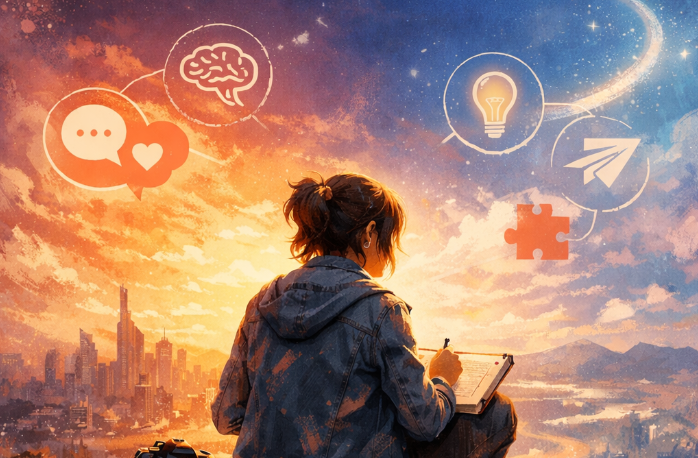
What emotional intelligence actually looks like in everyday life
As more technical tasks are handled by AI, the situations that matter most are increasingly human. We’re communicating more, collaborating more, and making decisions in environments that change quickly. In this context, emotional intelligence shows up in how we handle pressure, how clearly we think when things shift, and how well we work with other people and systems that are also evolving. It becomes less of a “soft skill” and more of a practical advantage in how we navigate modern life and work.
The shift: from technical skills to human skills
Technical skills still matter — whether that’s design, writing, coding, or any other craft. They’re often what get you started and what allow you to create something real in the first place.
But they don’t operate in isolation anymore.
As AI changes how work gets done, two people with the same technical ability can end up in very different places depending on how they respond to feedback, how they handle uncertainty, and how they adapt when things don’t go as planned.
It’s not that emotional intelligence replaces technical skill. It’s that it shapes how effectively that skill is used when things aren’t straightforward.
Emotional intelligence in practice
In real life, emotional intelligence isn’t something abstract. It shows up in small moments — how you respond when something doesn’t work, how you take feedback without shutting down, and how quickly you can reset when plans change.
These moments don’t look dramatic from the outside, but they shape progress over time. People who are able to stay steady, reflect, and adjust tend to keep moving forward even when things are uncertain.
Moving forward with clarity
The world isn’t becoming easier or harder — it’s becoming different. And in that shift, there is no perfect way to navigate it.
What matters most is not avoiding uncertainty, but learning how to move through it without losing direction.
Emotional intelligence isn’t about getting everything right. It’s about staying aware, adjusting when needed, and continuing to move forward even when things feel unclear.
That’s what keeps you in motion — and that’s what actually matters.